Check in + inspect
We confirm the aircraft type, requested work, facility access, owner or operator rules, and any areas that must stay untouched.
Then we inspect the aircraft so the cleaning plan matches its actual condition.
Service 05
Care for the aircraft with its surfaces, materials, and procedures in mind.
Final pricing is confirmed after reviewing the aircraft, requested work, and access requirements.
Why it matters
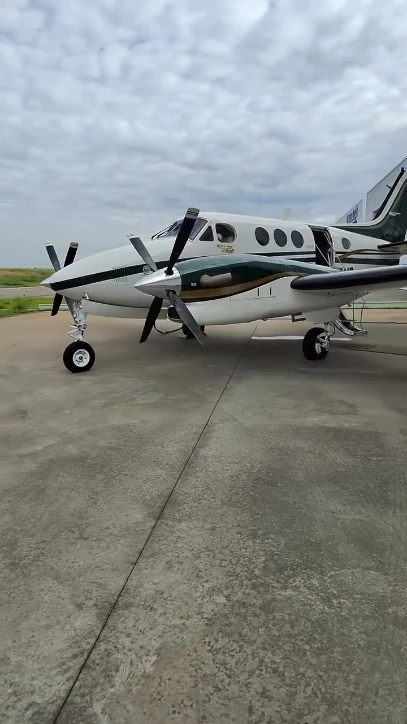
An aircraft should not be treated like a car with wings.
Paint, windows, polished metal, openings, sensors, seals, cabin materials, and owner or operator rules all affect how the aircraft should be cleaned.
How we detail
We confirm the aircraft type, requested work, facility access, owner or operator rules, and any areas that must stay untouched.
Then we inspect the aircraft so the cleaning plan matches its actual condition.
The method depends on the aircraft and where it is being serviced.
That can include a controlled wet wash, a low-water method, bug removal, belly cleaning, or targeted degreasing where allowed.
Paint, windows, polished metal, and cabin materials are treated with methods suited to those surfaces.
After cleaning, we can properly judge paint condition and polished metal.
Polishing and protection are added only when they fit the aircraft finish and owner or operator requirements.
Anything that becomes maintenance work is left to qualified aviation maintenance personnel.
A cleaner rinse
When a wet wash is appropriate, deionized water can be used for the final rinse.
Removing most dissolved minerals helps reduce water spots on paint, windows, and polished surfaces.
The aircraft, facility, and operator rules determine whether DI water, another rinse method, or a low-water cleaning method is used.
What we handle
Airplanes
Helicopters
Exterior washing
Bug removal and targeted exterior cleaning
Belly cleaning and degreasing where allowed
Exterior windows
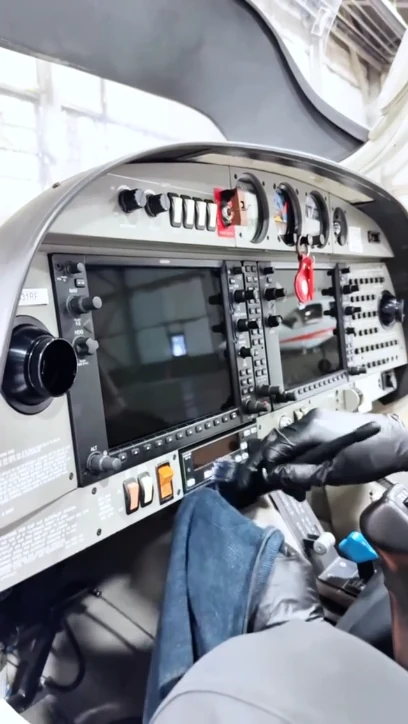
Cabin vacuuming and surface cleaning
Leather, trim, and interior glass
Polished metal where appropriate
Paint polishing and compatible protection
Owner, operator, and facility coordination
Polished metal
Unpainted polished metal is handled separately from painted surfaces.
Leading edges, inlets, spinners, and other polished metal are checked before polishing so we improve the finish without removing more material than needed.
Interior care
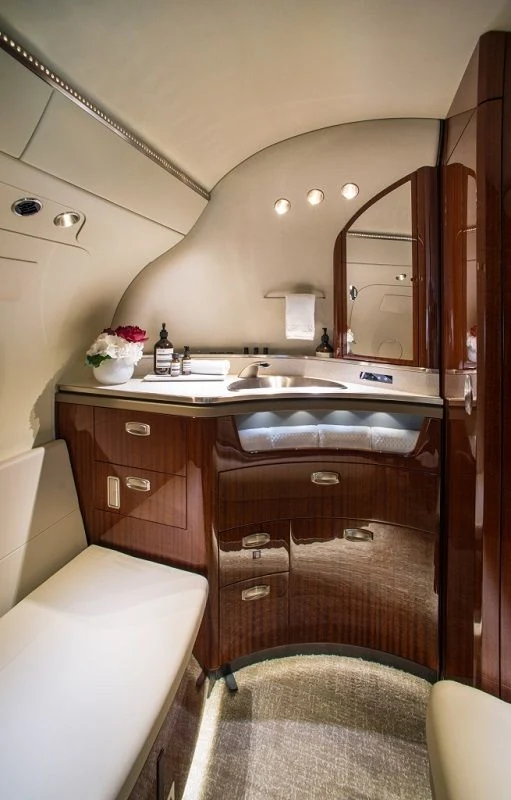
Cabin work can range from a light reset to a deeper interior detail.
Depending on the aircraft and requested work, that can include:
What we do not do
If a task requires part removal, lubrication, inspection, repair, adjustment, maintenance sign-off, or another regulated maintenance function, it stays with the owner, operator, or qualified aviation maintenance personnel.
We stop at the correct boundary instead of guessing around an aircraft.
Frequently asked questions
There is no single schedule for every aircraft. In mild conditions, about every 3 months is a simple starting point. Salt air, heavy bugs, oil, or other buildup can mean more frequent cleaning. The aircraft maker and operator rules always come first.
Yes. We care for both, with the method adjusted to the specific aircraft and owner or operator requirements.
No. Wet washing, controlled rinsing, and low-water methods can all be appropriate. The aircraft, dirt, location, and operator rules decide the method.
Yes, when the aircraft finish and owner or operator requirements allow it. We clean and prepare the surface first, then recommend a compatible option.
Yes, when it is appropriate and within the agreed detailing work. Paint and polished metal are handled as separate surfaces.
No. We provide cosmetic aircraft care. Maintenance, inspections, repairs, lubrication, part removal, and regulated work stay with qualified aviation maintenance personnel.
Southern California. Elsewhere in California by request; travel fee applies.
Request care ↗Beyond property care
A place for ambitious people to connect, exchange ideas, collaborate, and build valuable relationships.
Join the Community